


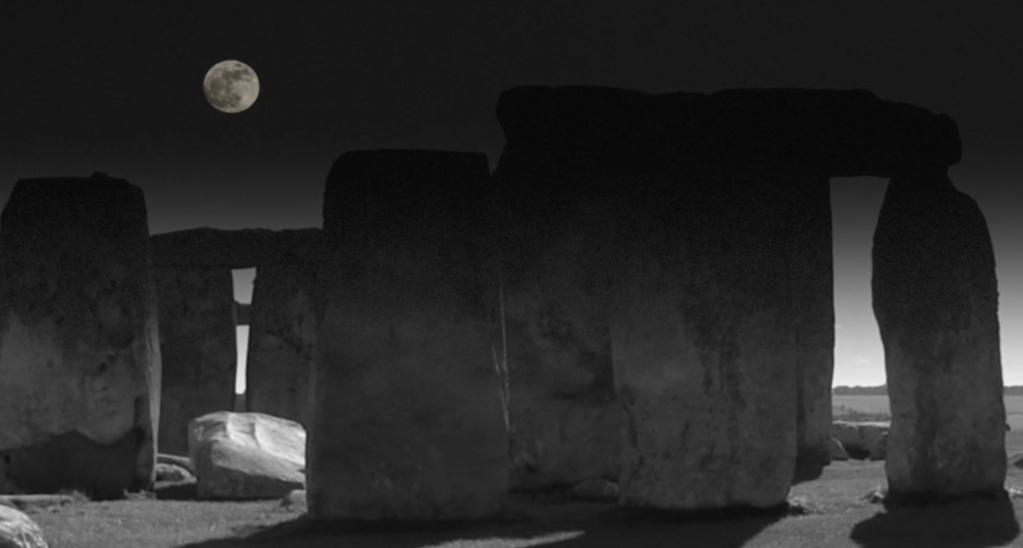
Our investigation of the moon took us again to Stonehenge, this time adding Woodhenge and Durrington Walls to our visit. Durrington Walls is an impressively huge auditorium for mass gatherings, bringing to mind Glastonbury music festival and other large stadium gigs. But it was the much, much deeper profound experience of the Stonehenge stones that really took us further in our investigations.
We went to Stonehenge last weekend, to English Heritage’s ‘Moons and Monoliths’ event, primarily to find out more of the Bournemouth University research into the stone alignments with the lunar standstill that is being investigated and so far verified this year. We were told by the leading archaeologist, our interpretation is as good as any and as good as the varying archaeologist opinions on the matter after scientifically verifiable facts are out there for all to see and taken into account in the opinions of this fascinating Neolithic topic.

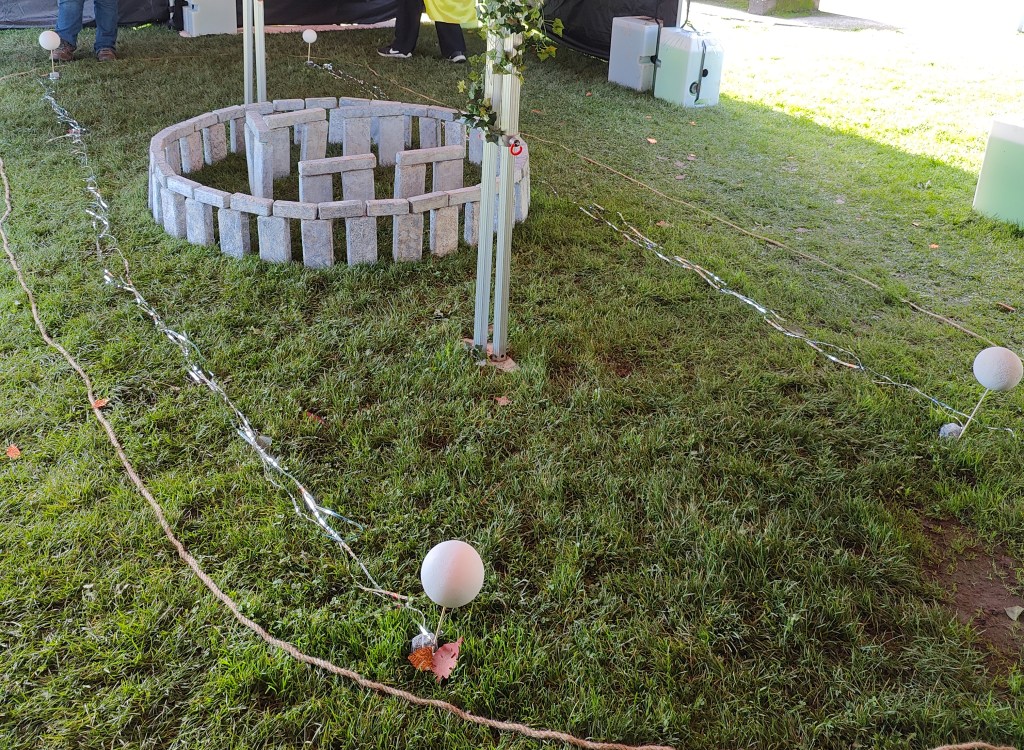
What is clear is that around the outside of the current stone circle and, it appears, within the ditch henge and within the placing of the original bluestone circle there are 4 low stones set in a rectangular formation. These stones seem to align with the 18 year 6 month cycle of the moon’s ecliptic motion in relation to the Earths solar ecliptic motion. This isn’t in astronomy terms particularly significant, but in Neolithic terms this is extraordinary. I’m sure we all understand that full moons, and the moon’s monthly orbit round the Earth has physically profound effect on the Earth, which we notice mainly through tides, but this cycle is very important to humans even if now we work to an uneven approximation of a calendar month. Women’s hormonal cycles are still apparently linked to lunar cycles, as are the reproductive rituals of other lifeforms.*
So it is not surprising that Neolithic people, who were intimately so much more aware than we are in our technological urban existences and society driven time frame, that they would have geared much of their time and activities by the moon cycles. Neolithic people not only saw the winter and summer standstills of sun rising and setting on the horizon (solstices), but also the similar standstill of rising and setting of the moon in relation to the Earth’s horizon. This only happens every 18 years 6 months. Given that the average life expectancy of a Neolithic person was something like 36 years, then noticing this cycle at all is remarkable. What it tells us is that these people observed and remembered positions of the planets very very closely. They didn’t write anything down so they were able to keep this detailed knowledge alive through oral sharing, teaching and passing on generation to generation. That is no mean feat, so this was clearly important to them. Also they found this long moon horizon cycle so important that in one of the most impressively built stone monuments in the British Isles had this alignment was built into the design. One stone would easily be a coincidence but four in a large clear rectangle is much more convincing.
This research does verify the fascination that the Neolithic peoples in the British Isles with the planets and particularly the moon and sun movements relative to our skies and horizon, enough to design and build a massive stone monument around, many stones seemingly brought from Wales.

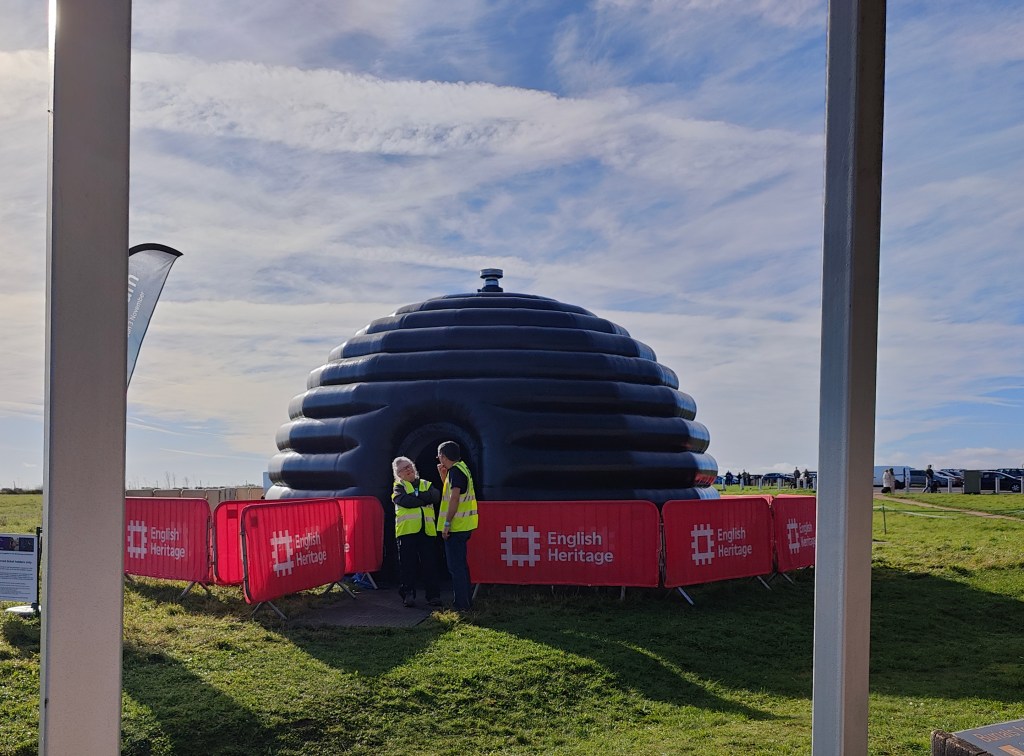
So whilst we were at Stonehenge we honoured these preoccupations, including the moon, by walking around Stonehenge, along with hoards of selfie-snapping tourists from all over the world. We opened a circle, and before leaving closed it, in magic witch pagan fashion. We asked that the circle energy would bring healing to the World, which is so badly need at this time. Well we did this tongue in cheek, as artists do so well, and we did it discreetly, none would have noticed, so not really performance art. But magic it was and we had the most profoundly deep spiritual experiences of the energy that builds as we sat quietly with Stonehenge. Luckily English Heritage sets out large grass areas and benches so you can be away to some extent from the crowds. Unfocussed crowd energy tends to knock you out of inner spiritual energy.
We certainly cannot know, not at this stage in our investigations whether these deep experiences and incredibly strong feelings of energy actually do anything practical outside of our internal experience. So magic may just be an internal experience, albeit one we both feel at the same time a lot, only sharing experience later. But one thing is for sure; if we can feel the stones so profoundly then it is highly likely at least some Neolithic people did too. You don’t need massive stones to benchmark, clock/calendar style, movements in skyscape, but you do if people feel deep spiritual energy from them when they come together.
Our work on stone circles continues as we are buoyed by yet another profound stone circle experience.
* Rebecca Boyle’s fascinating book ‘Our Moon’ has proved – and continues to prove! – invaluable for all things moon related, including insights into certain lifeforms whose reproductive rhythms are governed by the moon.