
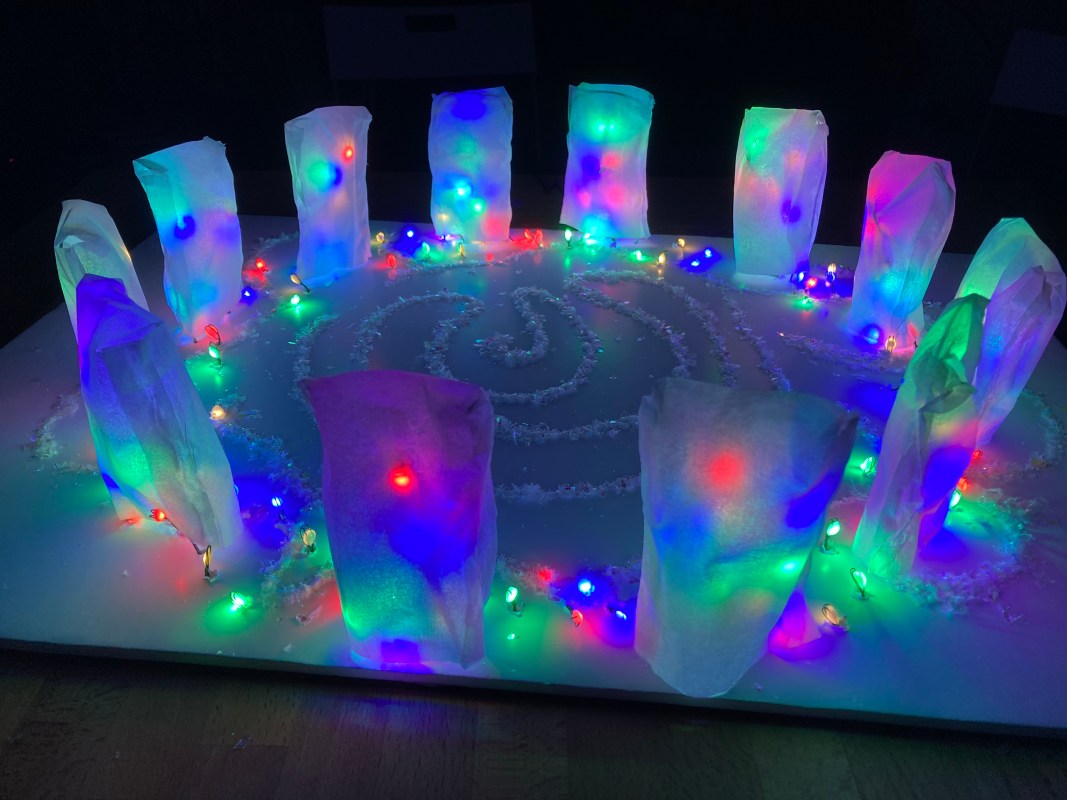
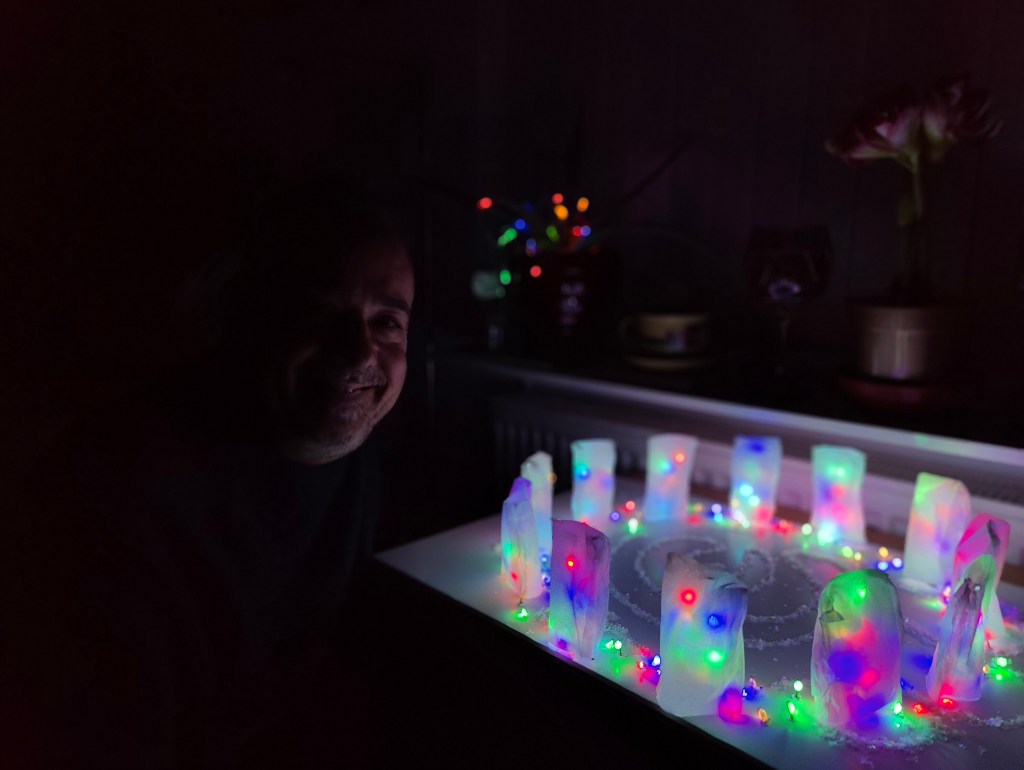
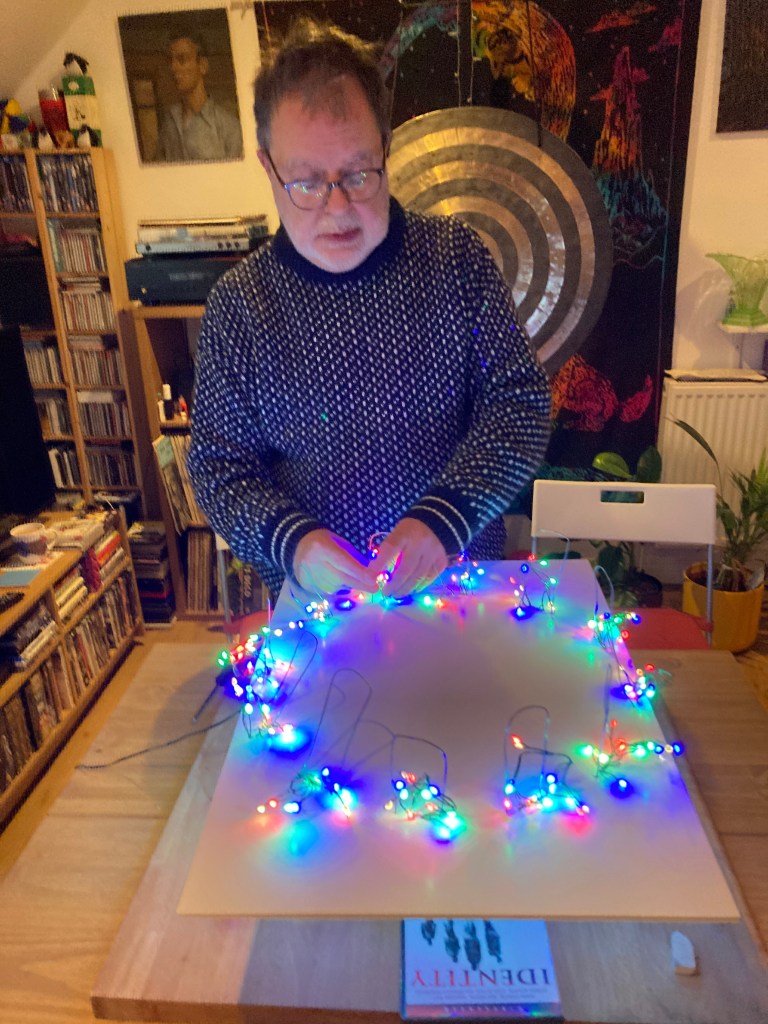
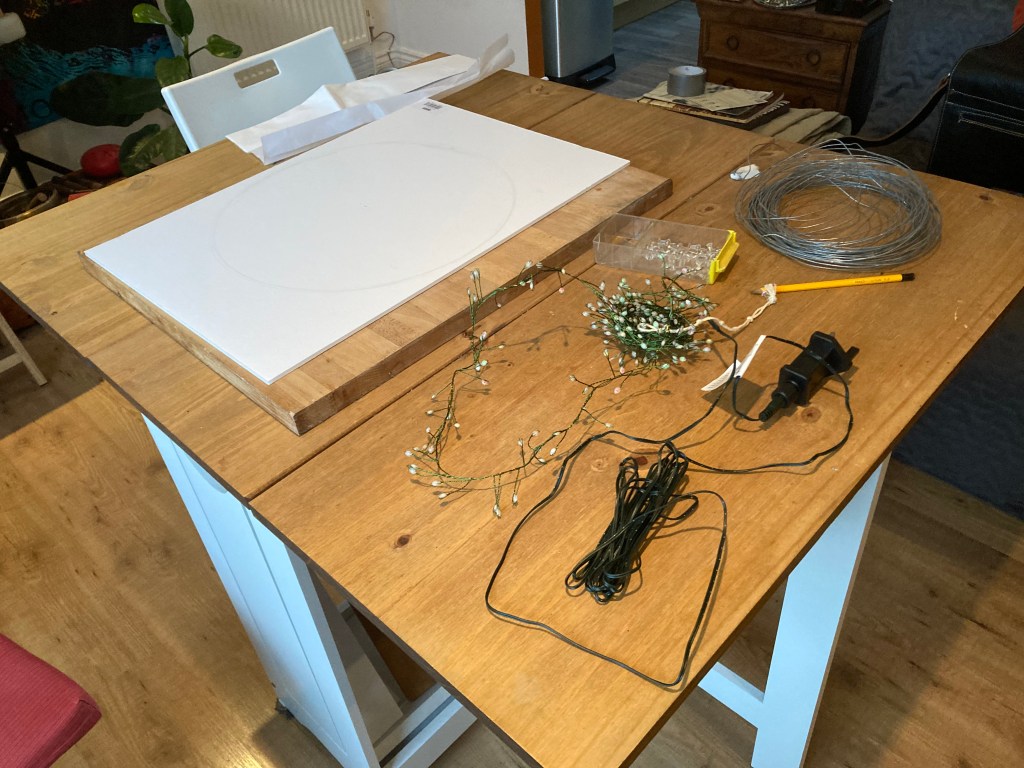
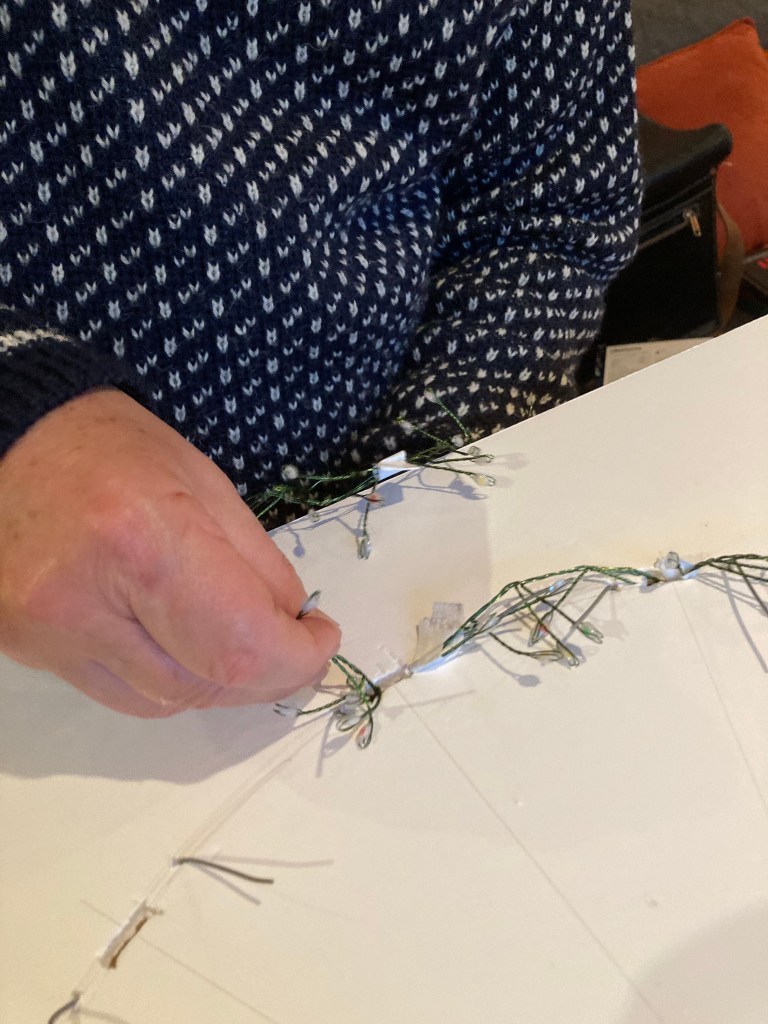
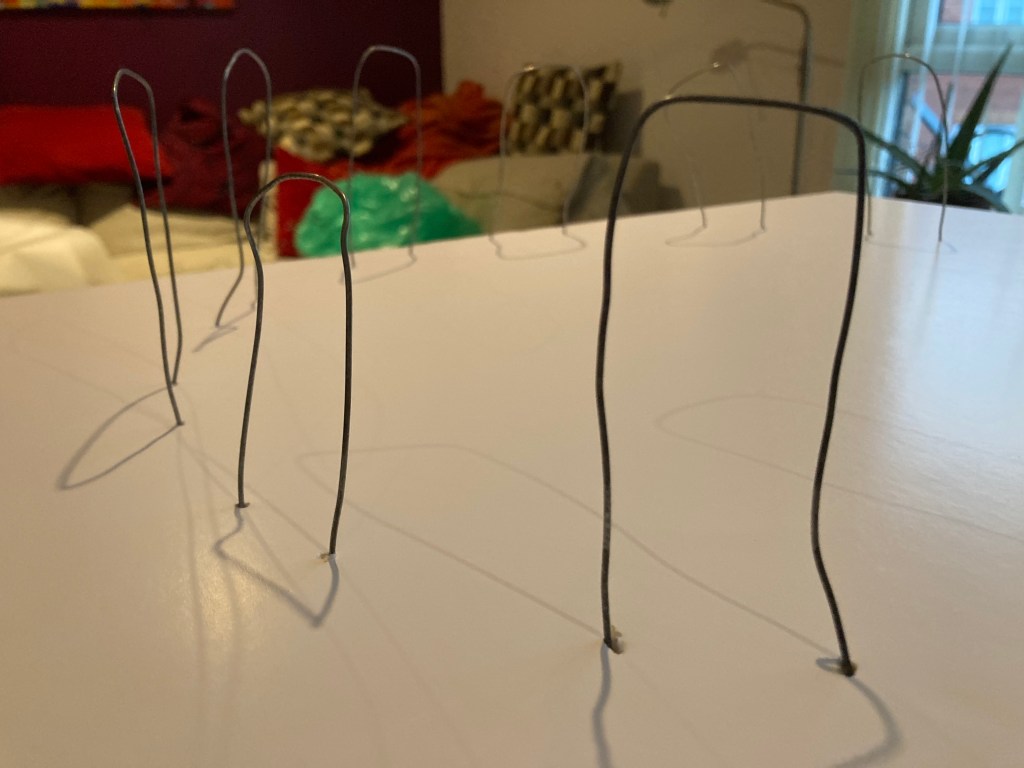
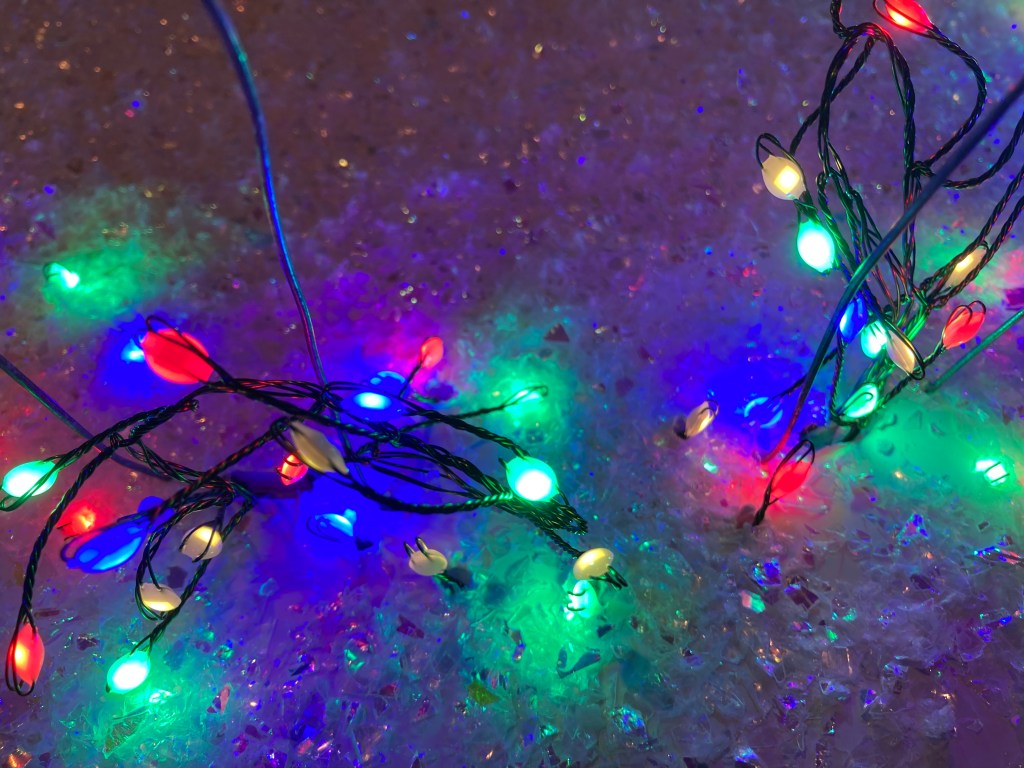
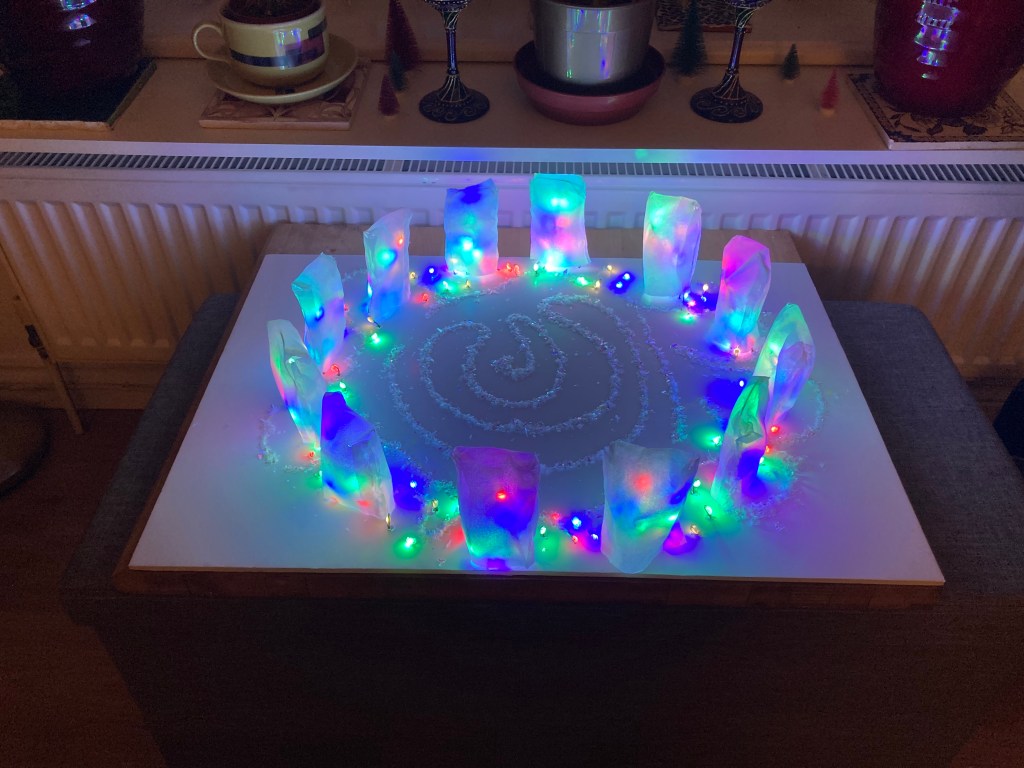
We have had fun creating a lit up stone circle to celebrate this winter solstice. Lance’s idea to decorate his home aided and abetted by Mike, crepe paper, wire and glue. It was all part of our celebration of Solstice. Below our thoughts about what Winter Solstice might have been about in a megalithic age and how it relates to winter festivals today.
We often underestimate the human capacity to truly love. But the human world must have, from very ancient times, have grown only with our capacity for love and care for others. Whereas we tend to only think about conflict in history, power and battles won. Solstice, we think, must have been a time to celebrate love, acknowledging love past with our ancestors who gave us the gift of life, and love that keeps us going through dark and challenging times. Winter festivals and celebrations bring and create light, and fill us with positive emotion, emotion at the heart of which deep down is love. Gifts are often given as tokens for how we want to express love to others.
We feel that the stone circles in our landscape were created and used, at least in part, from the evidence and analysis of people who are skilled at studying megalithic culture, as places where people came together to express their sense of community, human love and connection. We feel that stone circles were not just a place of gathering and remembrance at the winter solstice but a place where people came together with love. Love for people who have finished their conscious human life cycle and “returned” to the land from which they came, “dust to dust”, birth and death. And with that recognition of love for people who we are no longer with, awareness of the love we have for all who are in currently in this moment of life with us. Life as a spiritual gift to be celebrated.
In our modern world of technology we come to believe that we can live forever, that this is desirable. We give in to our minds that hold on to life and from which fear of loss and death grows. We worship family and treat it as something to be held onto and fought for at any cost to those outside of our chosen circle. This is perhaps not love, but more personal need to be loved. It can be possession at worst, and it comes from lack, limitation and boundary, not largesse and abundance. How easy it becomes human obsession, a holding on, divorcing us from something much deeper.
In cultures where it is recognised that we have our time marked by the passing of seasons and cycles embodied in solstice then it feels highly likely that people will have, like now, used the dark winter solstice to spend time with loved ones and friends to brighten up the coldest of times. Thinking about our ancestors reminds us we all will die and return, absorbed into the living Earth from which we came. Love is something to experience as a gift in the moment, part of the life cycle. It is the richest part of life and costs nothing and is there for all if we let it. In celebrating our ancestor we celebrate our life now too and human love as a force for good in the world.
Religious institutions rarely seem to be able to embody and magnify love, although all seem to profess to. But as artists looking at pagan culture and experiencing contemporary Christmas festivities, we can see why the Christian story of the birth of Jesus, metaphoric or real story, or both, like all stories about unconditional love in this world, resonates very well with light into dark. A time of gathering, expressing and receiving love to others through gifts and the sharing of food and drink. You can see why people wanted to link Christian Christmas with Winter Solstice. It is the time of year when we most need love. Certainly that is very true, away from the equator and tropics, where longer darkness is experienced. Winter darkness affects us all in Britain and Ireland where so many, over 1,000, stone circles were built. So many people on these islands would have come together in the darkest time of the year to gather in a “permanent” circle of stone, a circle that embodies love.
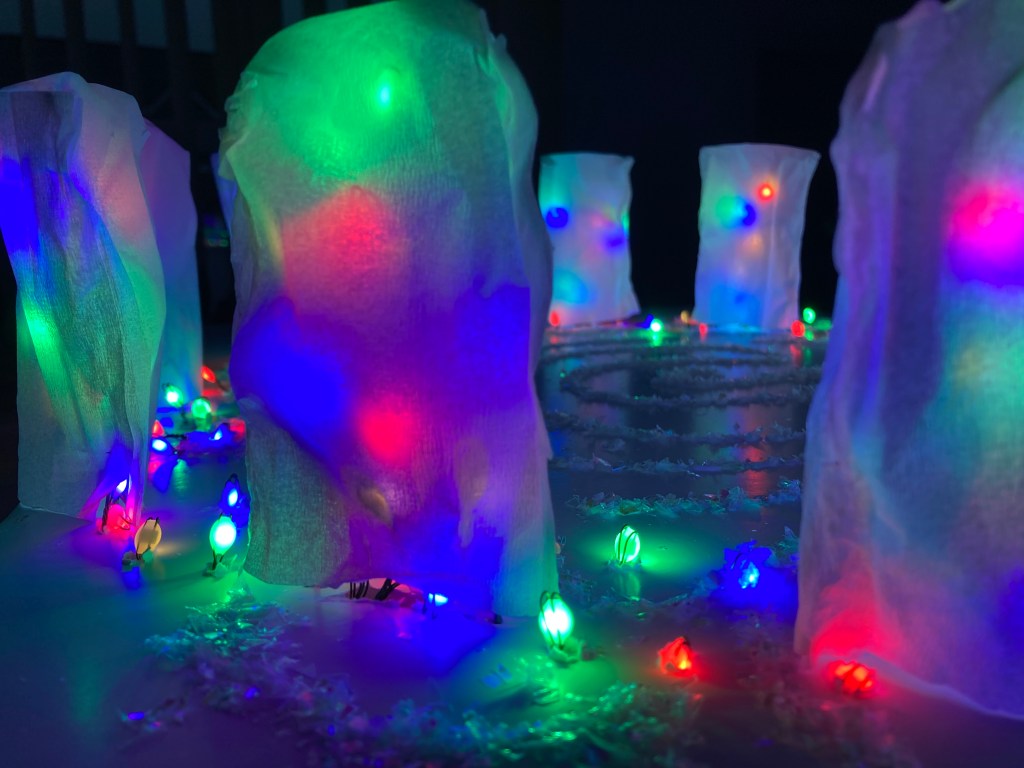
From our work “Love in the Landscape”
In 2022 we have investigated landscape particularly from the perspective of megalithic culture and we have created our stone circle story which brings together ideas about why humans make their mark on the landscape. In 2023 we will continue on the adventures of our two megalithic characters Lan and Deek and the associated art work linked to this adventure about Stonehenge.