
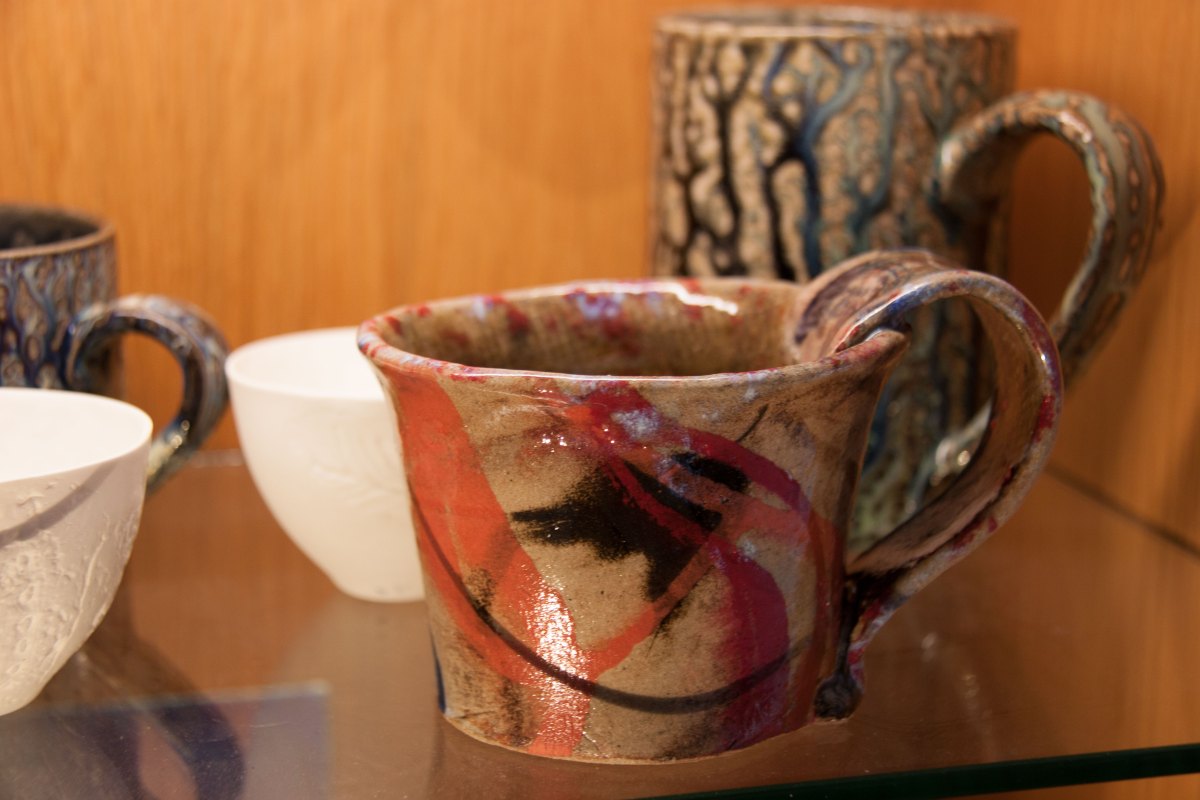
Mike has been taking Lance’s Dancers drawing and using it in his ceramic work. None of this work is pre-determined or planned, other than in the practical ways of making. It may seem that we have moved a long way from our landscape work, the spontaneous Dancers is a work Mike has chosen to work with because it echoes the sense of spiritual energy of Neolithic people in henges and stone circles, and their place fully present in the landscape. Both Stonehenge visits and the Dartmoor visit explore the relationship of placed stones in the magnificent energetic and elemental landscape. When there it is so easy to feel yourself fully present in the landscape. So using the Dancers motif on the refired stone of ceramic is echoing this amazing wonder that modern humans are almost completely ignorant of. Our experience as explorers of Neolithic landscape surpasses, in human terms, anything urban, technological or any from of the modern political systems and economies. It is deeply spiritual in a way you know only when you know and are experiencing it. It is completely non-intellectual, and not of the thinking mind. It is fully present in the now. For Mike this spiritual side of his work, is likened to being in a vortex, absorbing, building, dynamic energy, dancers in the circle, and resonates with our Earthwaves roots of water movement, air movement, and waves. Witches often refer to building a cone of energy when dancing in magic circle rituals.
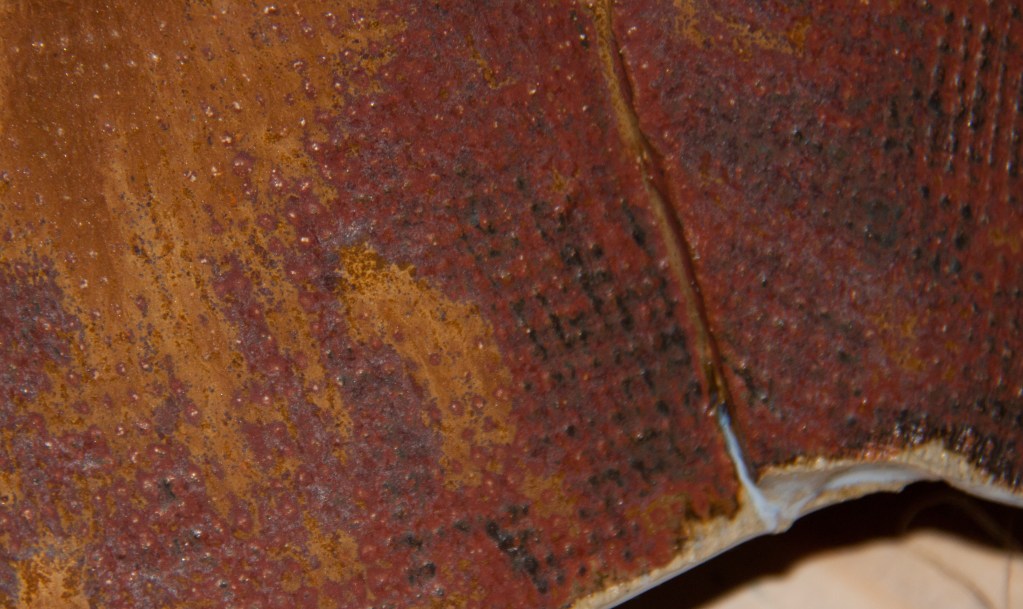
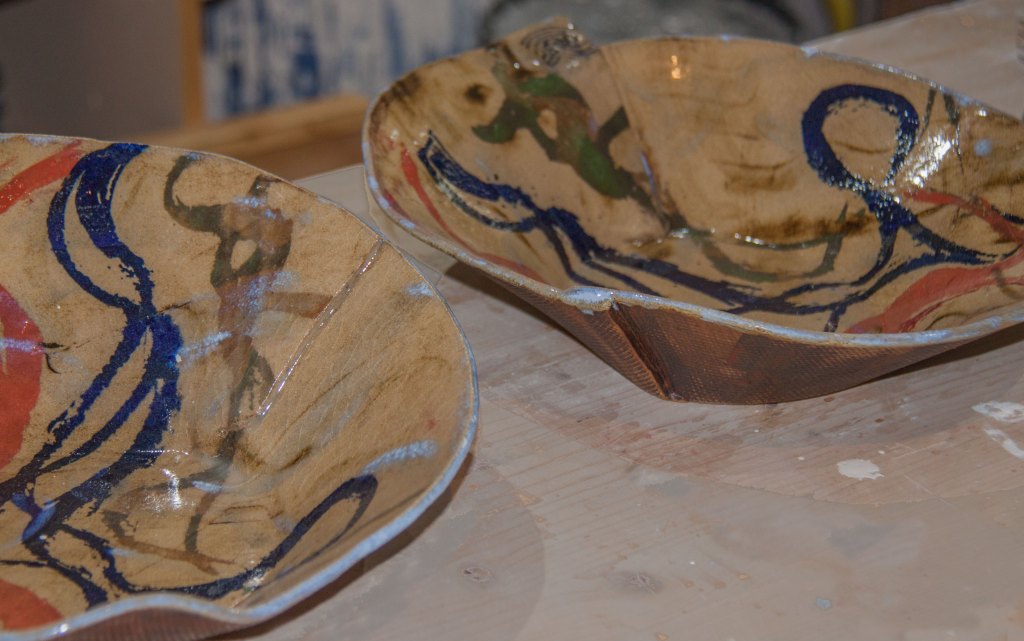
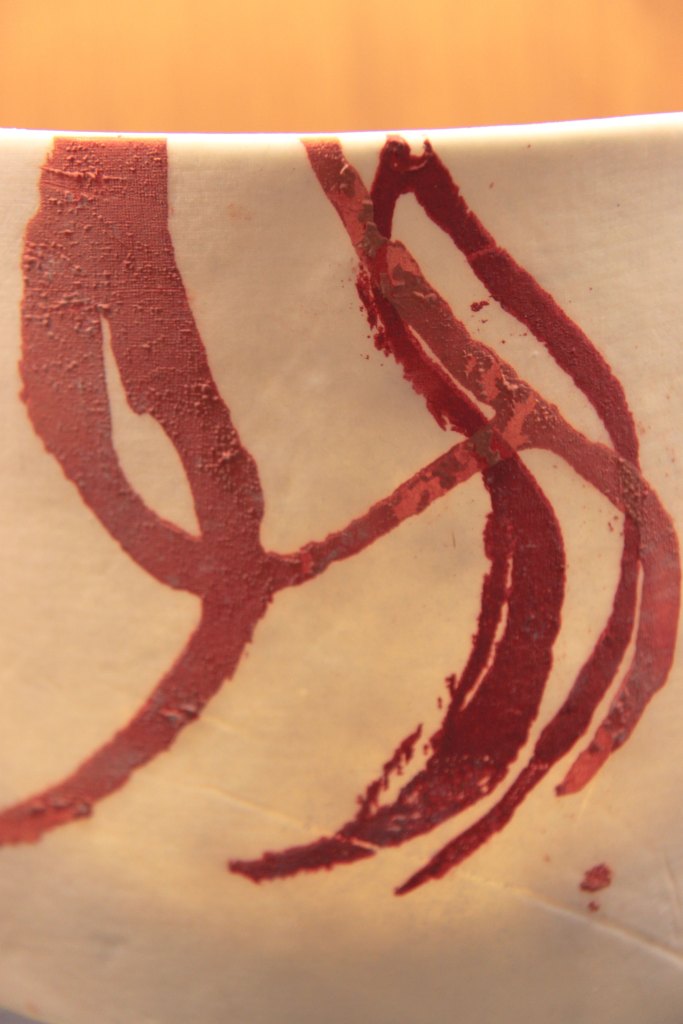
In making terms Mike is developing the use of screen printing on ceramic, both to make the next Stonehenge installation and its moving vortex, and in making work that has its place in neolithic times. Mike is not making copies or pastiches of Neolithic pottery, which actually in its unglazed way is very fine hand building work. But he is using a slab method which has a simplicity, and makes bowls, mugs, plates that lay bare how they are made. But this method also allows for the transfer of texture, like stone is fascinating because of its textures, and the use of screen printed motifs. This is done without resorting to the use of factory looking ceramic transfer motifs. It also allows for experimentation in using glazes, which are themselves also rock elements, as clay, but balanced differently, and naturally occurring oxides. Mike also uses fritted stains, a modern product, to allow for the vibrancy of the original motif to transfer onto high fired stoneware. They can when used judiciously bring a vibrancy and depth with other alchemic glaze elements to bring a spiritual unpredictable quality to making.
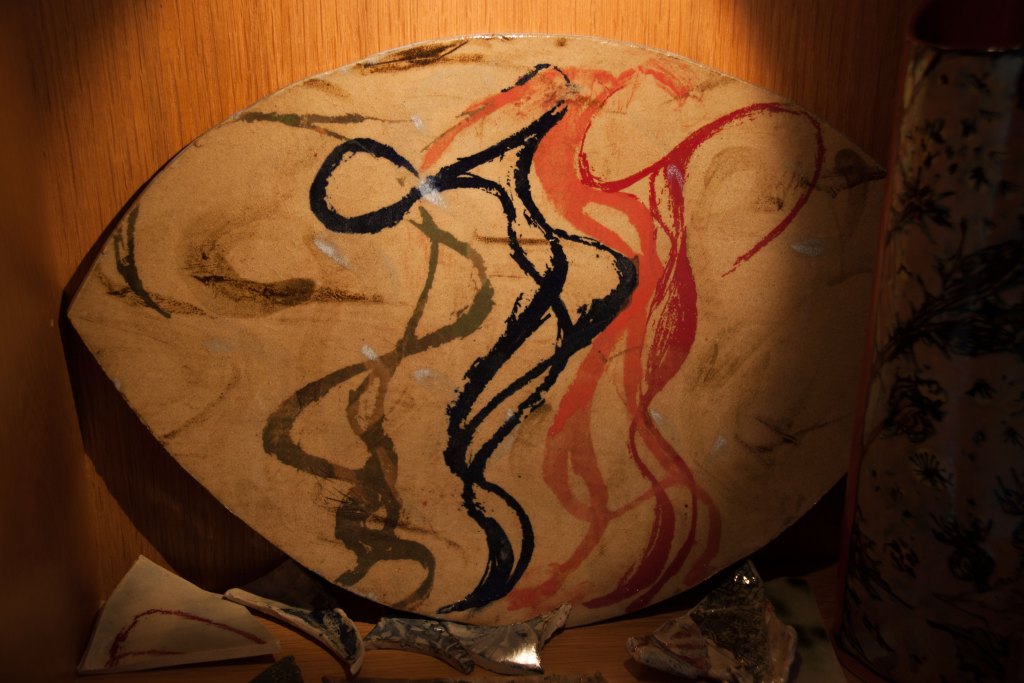
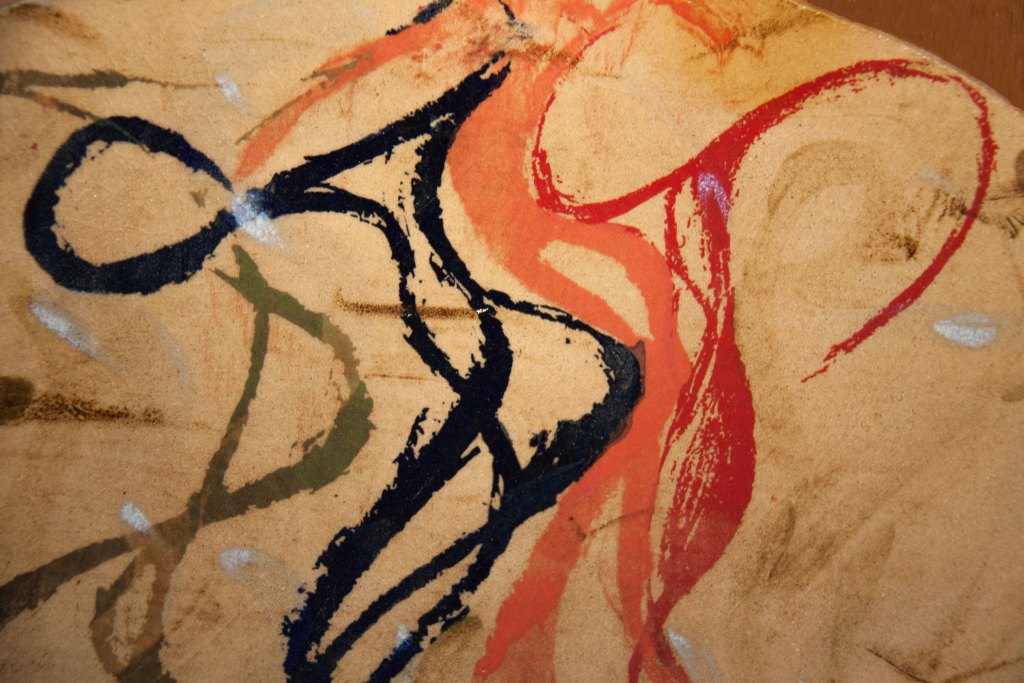
Some of the early examples of this work are shown and Mike has been sufficiently enthused with the results to carry on this line of work. It is complicated layered ceramic work with several techniques involved even though the results may belie that complexity with a certain simpler rougher feel. For him its a reflection of Neolithic living as an expression in the art medium he uses.
The reader may wonder why we are so preoccupied on this apparent simplicity of Neolithic experience, in a world that that is straining under human made change. A humanity that is swinging widely to the right as population size explodes unsustainably, inequality and capitalism, drive, greed, control, exploitation, and making people lurch to “new” populist fixes. The world is too complex for anyone to make sense of intellectually and holistically.
But, for us our Neolithic exploration of human contentment with stone, bone and wooden tools to create a lifestyle that is so in touch with the world and sustainably, and, as we see it as artists, their relationship with landscape. We are fascinated with their drive to make henges and stone circles for community has something quite deep and missing for most people today. We feel there is something profound that we can learn about sustainability and community, which is valuable to relearn in modern times. Clearly, no one in modern in our view has yet coherently found a way to bring healing to our world across all issues, against forces that seem so relentlessly destructive. Perhaps reflection on ancient times might help.


